
Breaking Common Photography Myths: What You Really Need to Know
Understanding Exposure: It’s Not Just About the Camera
One of the most prevalent myths in photography is that a better camera automatically produces better photos. While advanced cameras offer more features, the key to great photography lies in understanding exposure. Mastering the exposure triangle—aperture, shutter speed, and ISO—can help you create stunning images regardless of the camera you use.
Aperture controls the amount of light entering the lens and affects the depth of field. Shutter speed determines how long the camera’s sensor is exposed to light, influencing motion blur. ISO adjusts the sensor's sensitivity to light. Balancing these three elements is crucial for capturing well-exposed photos.
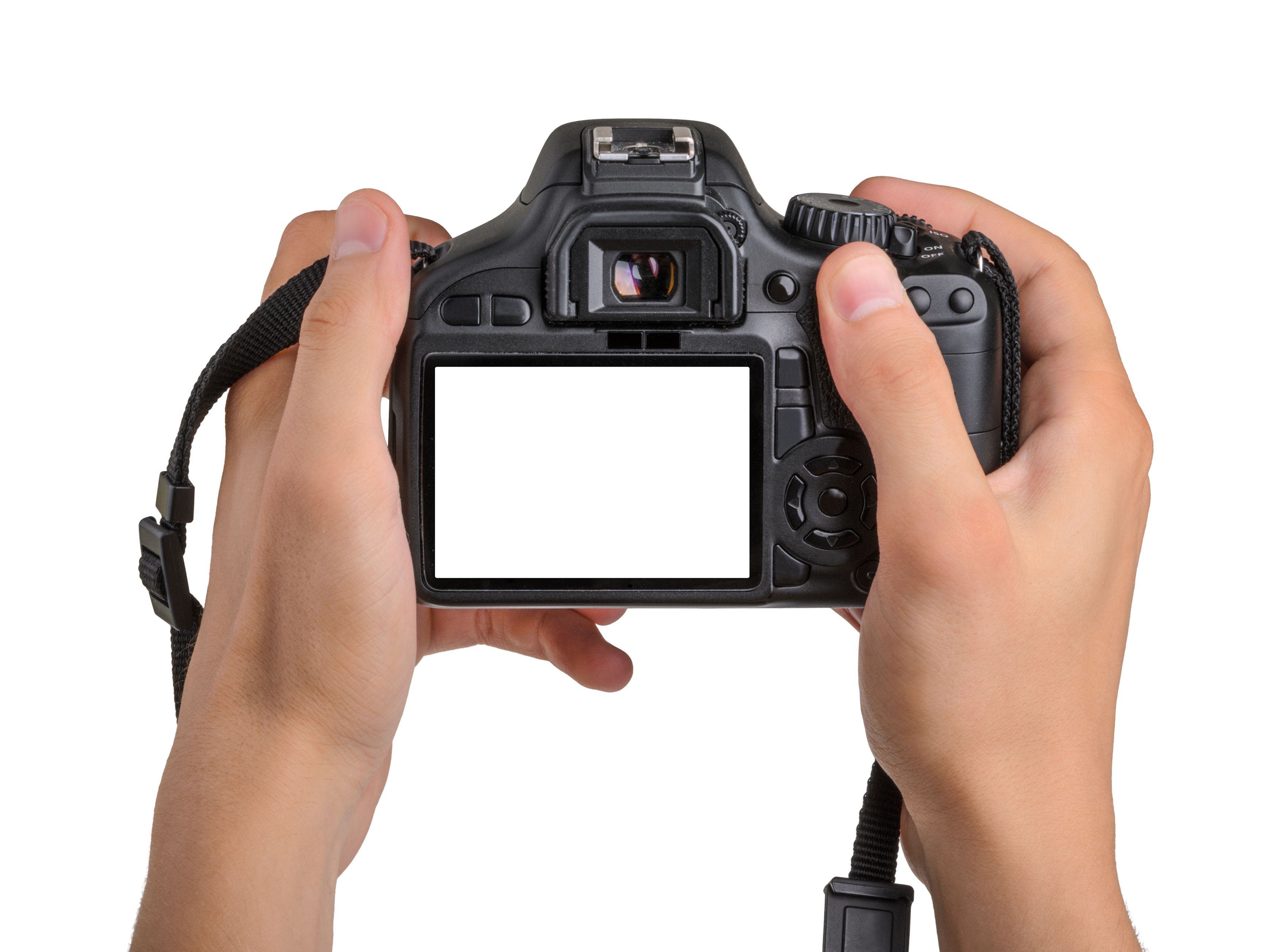
Myth: You Need Expensive Gear to Be a Good Photographer
Many believe that only high-end equipment can produce professional-quality photos. In reality, a keen eye and creative mindset are far more valuable. Smartphones and entry-level cameras are capable of capturing amazing images if you understand composition and lighting.
Investing time in learning about composition techniques, such as the rule of thirds and leading lines, can significantly enhance your photography skills. Experimenting with different angles and perspectives can also add a unique touch to your work.

Natural Light vs. Artificial Light: Finding the Right Balance
Another common misconception is that natural light is always superior to artificial light. While natural light offers a beautiful and soft illumination, it can be unpredictable. Understanding how to use artificial light effectively can greatly expand your creative possibilities.
Tools like reflectors, diffusers, and softboxes can help you manipulate light to achieve your desired effect. Learning to work with both natural and artificial light will enable you to shoot in any environment, enhancing your versatility as a photographer.

Post-Processing Isn’t Cheating
Some purists argue that editing photos diminishes their authenticity. However, post-processing is an integral part of the photographic process. It allows you to enhance colors, adjust exposure, and crop images to improve composition.
Software like Adobe Lightroom and Photoshop offer powerful tools to refine your images. The key is to use these tools to enhance rather than completely alter your photos, maintaining the original essence of the shot.

Breaking Down the Myth of the Perfect Shot
Many aspiring photographers believe they need to capture the perfect shot in one go. This myth often leads to frustration and discouragement. In reality, photography is a process of trial and error, learning, and growth.
Don’t be afraid to take multiple shots and experiment with settings. Reviewing your photos and identifying areas for improvement is essential for development. Remember, even the most accomplished photographers started with a series of imperfect shots.
Conclusion: Embrace the Learning Journey
Breaking free from these common photography myths can open up new possibilities and help you evolve as a photographer. Embrace the learning journey, experiment with different techniques, and most importantly, enjoy the creative process.
Remember, photography is as much about the story you want to tell as it is about the technical details. So, pick up your camera, explore new perspectives, and capture the world through your unique lens.